

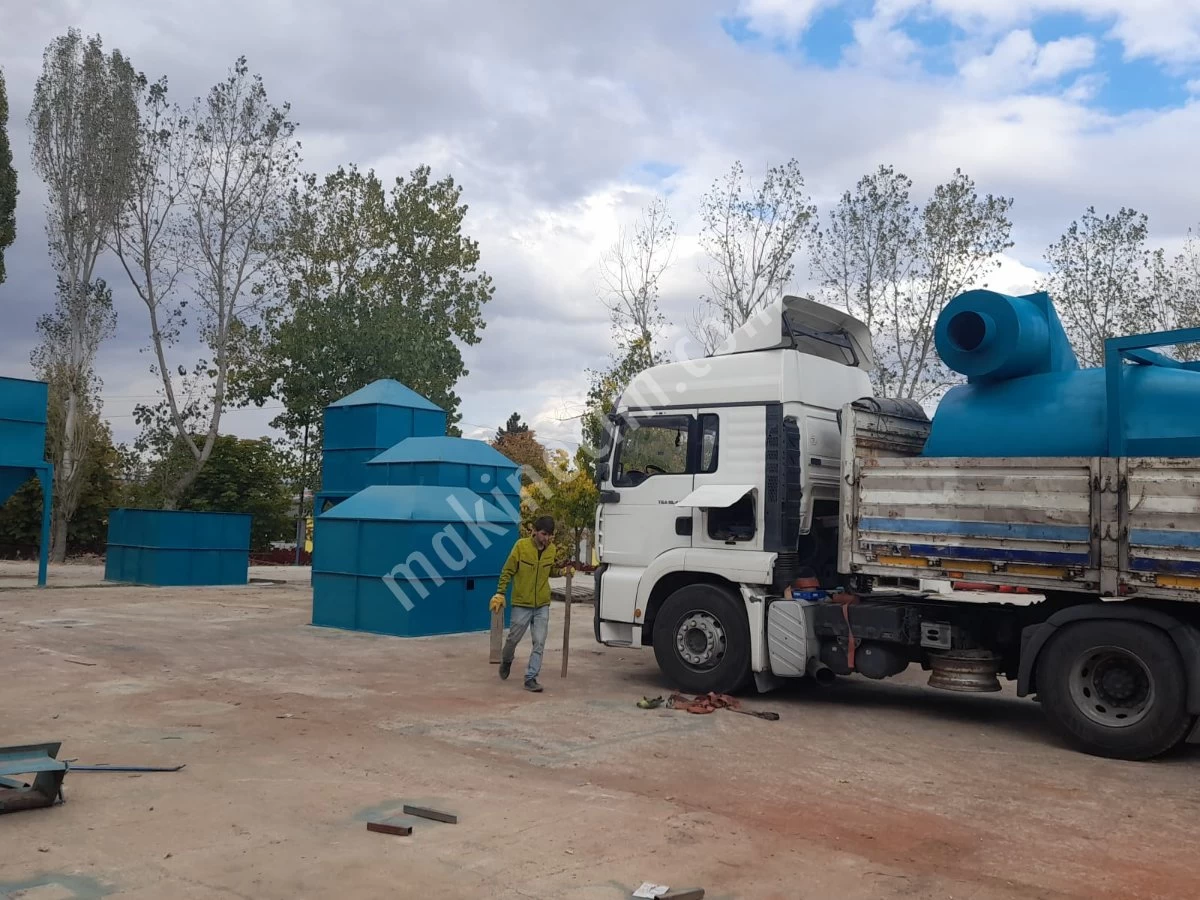
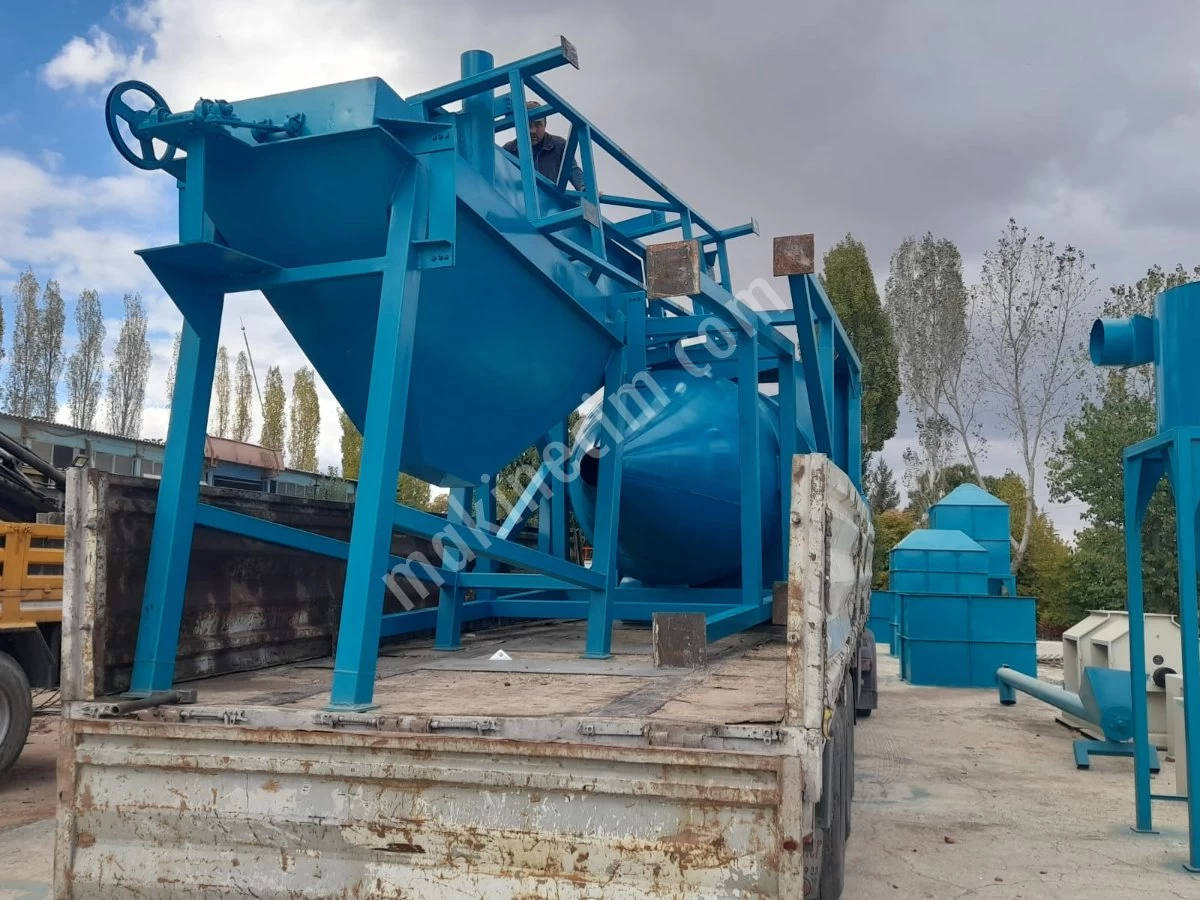
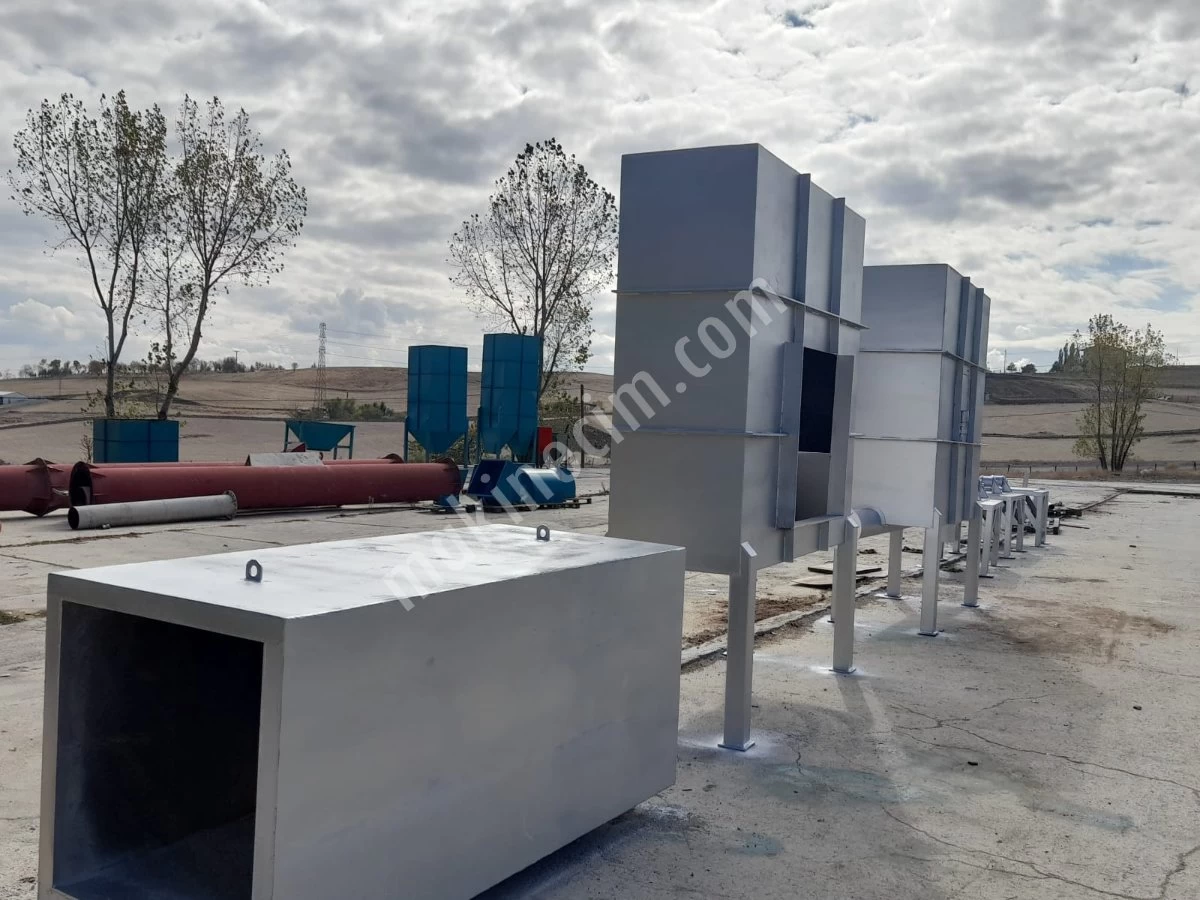
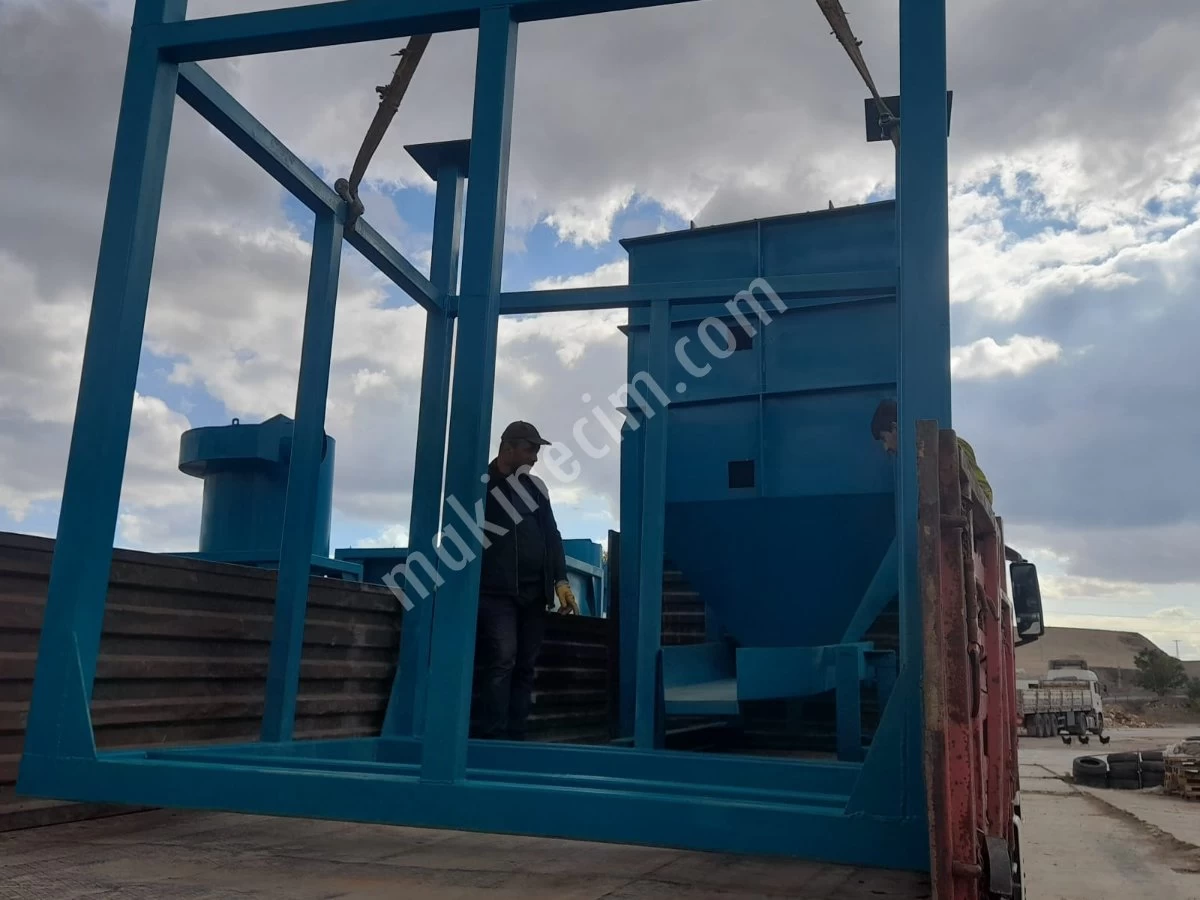
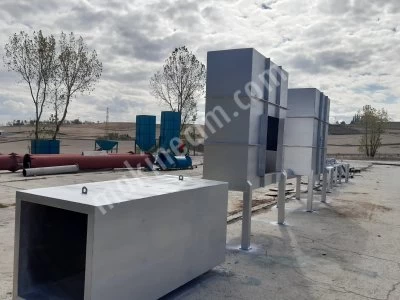
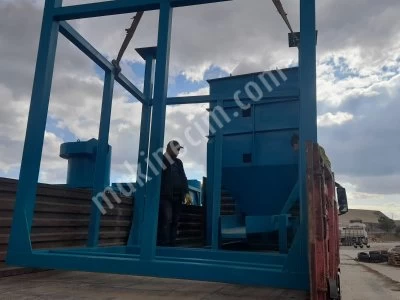
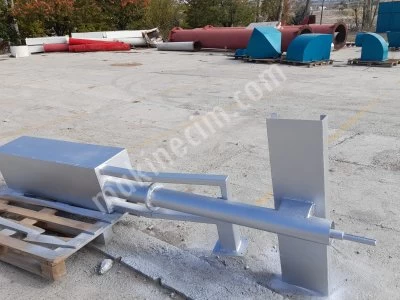
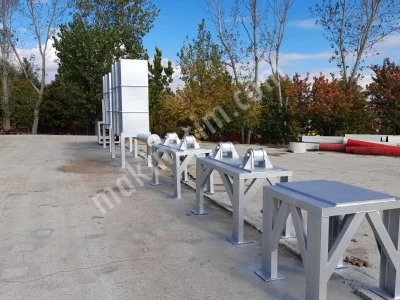
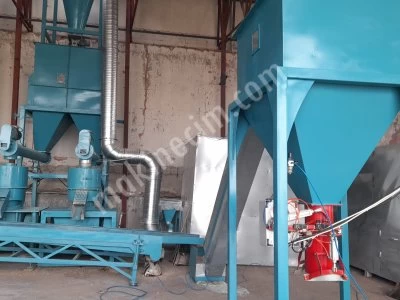
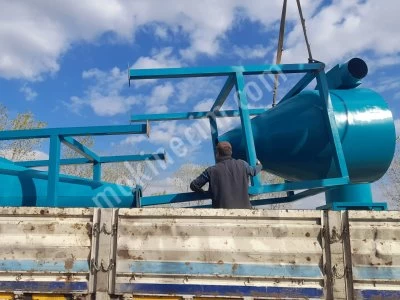
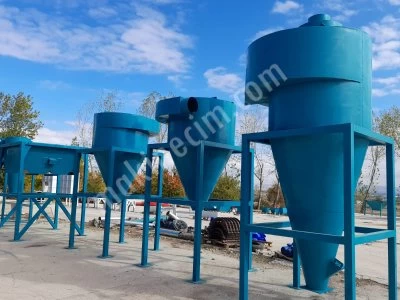
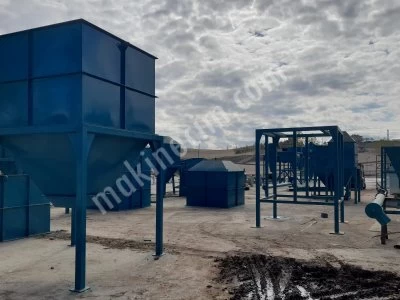
Staranaliz Pellet Production Facility
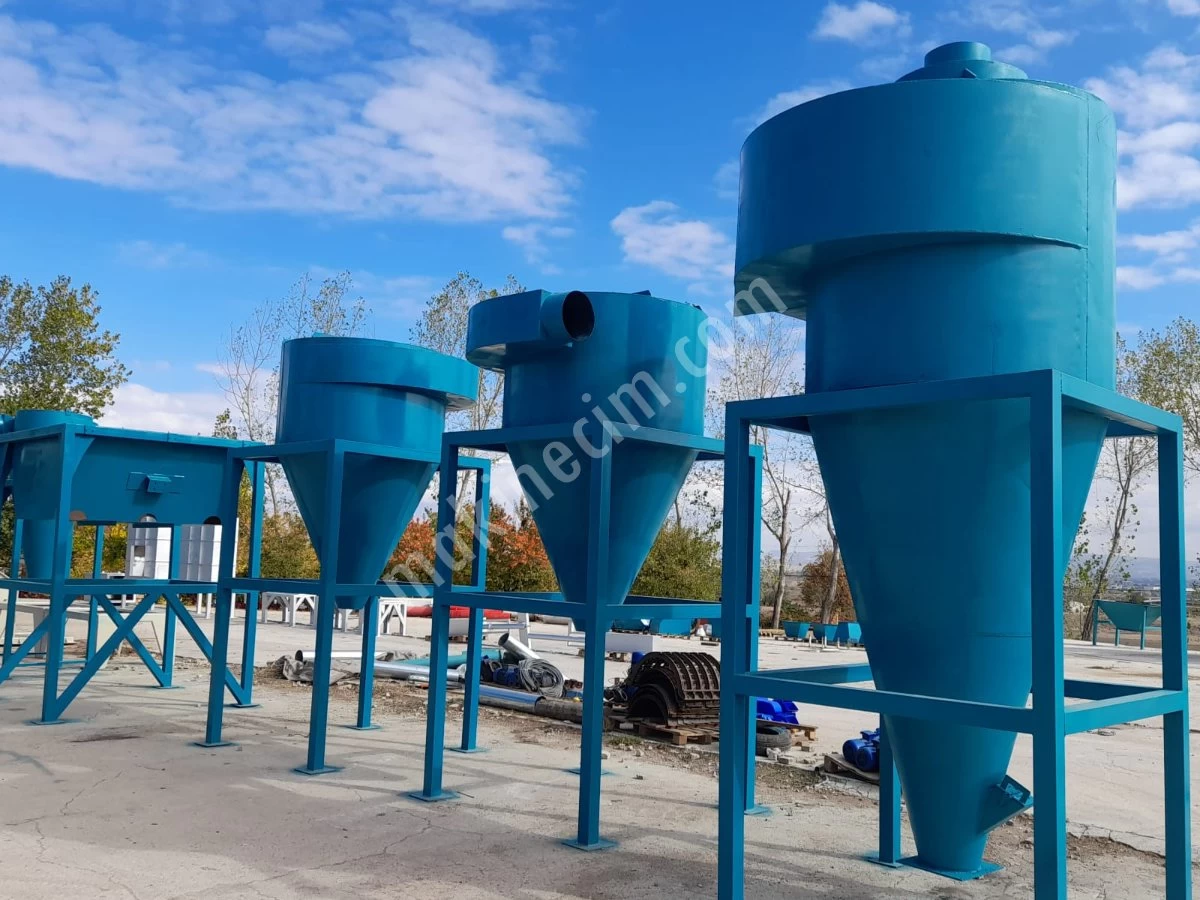
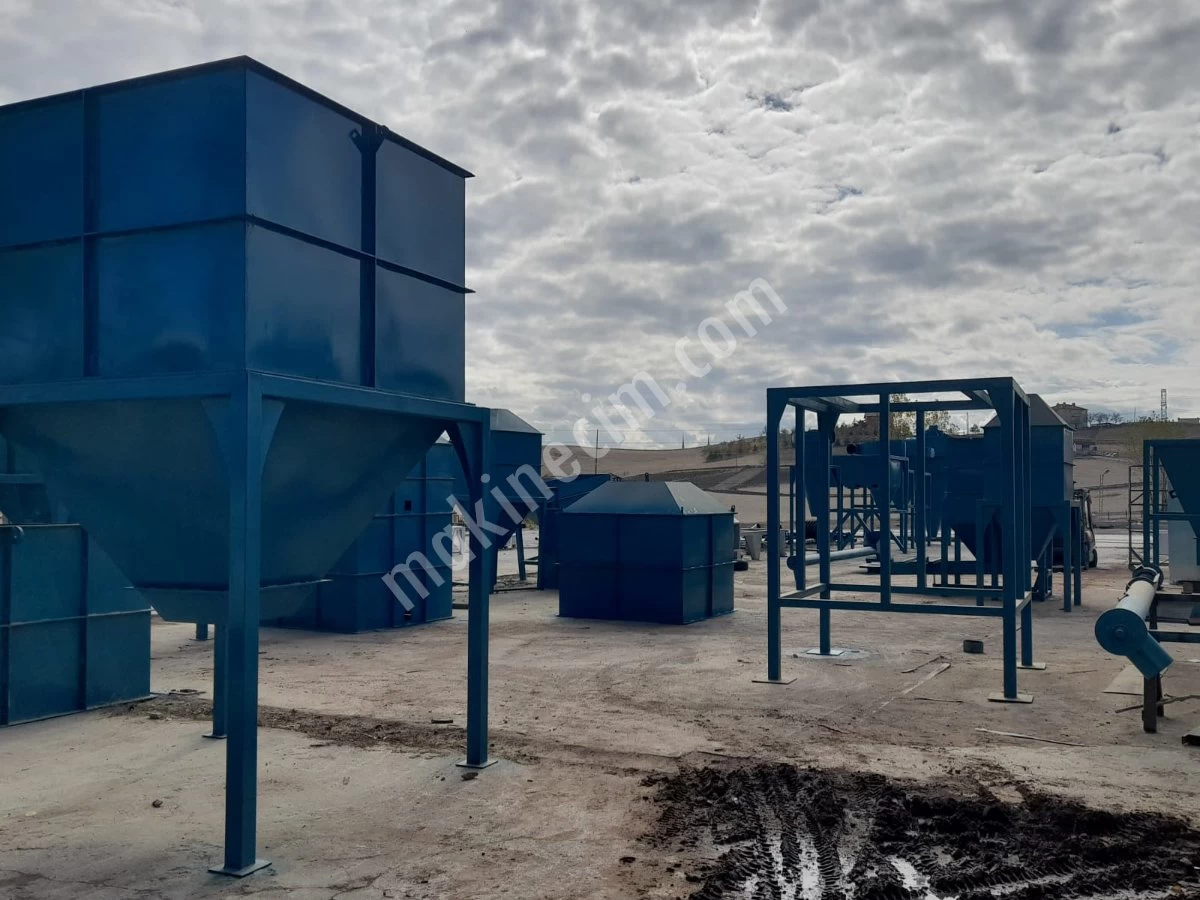
| Price : | 250.000 $ |
| Ad Code : | M-459072 |
| Ad Type : | For Sale - New |
| Views : | 57 |
| Date Updated : | 26 Jan 2026 |
| Production Type : | Special Production |
| Brand : | Star Pellet Production Facility |
| Production Year : | 2026 |
Staranaliz Bilgisayar Otomasyon Yazılım Tic. Ltd Şti
Staranaliz Pellet Production Facility Ad Description
The Energy of the Future: A Comprehensive Guide toEstablishing and Operating a Pellet Plant
Today, sustainability, energy efficiency, and wastemanagement have become the cornerstones of industry and the economy. At theintersection of these three critical issues lies pellet production. Apellet is a biofuel of the future, converting biomass waste into a high-energy,eco-friendly, and economical fuel.
This guide provides a detailed walkthrough of the entireprocess, from the initial idea of setting up a pellet plant to itsfull-capacity operation.
Part 1: What is a Pellet and Why is it Important?
A pellet is a biofuel typically produced by compressingforestry and agricultural waste into small, cylindrical granules under highpressure. No chemical binders are used in its production; the natural"lignin" within the raw material melts under high pressure andtemperature, acting as a natural adhesive.
What are the Advantages of Pellets?
| Feature | Description |
| Eco-Friendly | It is a carbon-neutral fuel. When burned, it releases the same amount of carbon dioxide it absorbed from the atmosphere during its growth. The ash content is very low (0.5% - 1%). |
| High Energy Value | Thanks to its low moisture content (below 10%), it contains significantly more energy (calorific value) per unit volume compared to firewood and other biomass forms. |
| Economical | Its price is more stable and generally lower than fossil fuels (natural gas, coal, fuel oil). It turns waste into a valuable product. |
| Logistical Ease | Its standard size makes it extremely easy to store, transport, and use in automatic feeding systems. |
| Waste Management | It adds economic value to waste from the forestry industry (sawdust, wood chips) and agriculture (straw, stalks, corn cobs), solving an environmental problem. |
Part 2: The Stages of the Pellet Production Process
A pellet plant consists of a series of precise andintegrated machines, from the intake of raw materials to the output of packagedproducts. Here is the step-by-step production process:
1. Raw Material Reception and Preparation
- Source: Materials such as sawdust, wood chips, branches, and stalks are received from sources like forestry enterprises, sawmills, furniture manufacturers, and agricultural lands.
- Initial Sieving: Foreign materials like stones, metal pieces, and soil are separated at this stage to prevent damage to the production line.
2. Crushing and Grinding (Size Reduction)
- Purpose: To reduce the incoming raw material to the ideal size for the drying and pelleting process.
- Equipment: Large pieces (branches, wood chunks) are first processed through a Chipper. Subsequently, all material is ground down to approximately 3-5 mm in size using a Hammer Mill.
3. Drying
- Critical Importance: This is the most crucial stage determining pellet quality. The moisture content of the raw material must be reduced from 40-60% to the ideal pelleting range of 10-14%.
- Equipment: Industrial Rotary Drum Dryers are generally used. These systems blow hot air to evaporate the moisture from the material in a controlled manner.
4. Second Grinding (Fine Grinding)
- Purpose: To further break down the dried material into homogeneous, smaller particles to ensure the efficient operation of the pellet press.
- Equipment: A hammer mill is used again to bring the material to a fine sawdust consistency.
5. Pelleting (Compression)
- The Heart: The Pellet Mill, the heart of the plant, comes into play at this stage.
- Process: The prepared raw material is fed into the press. Through the action of a rotating "die" and the "rollers" on it, the material is forced through the die's holes (usually 6-8 mm in diameter) under high pressure. The resulting friction and pressure raise the temperature to 100-120°C, melting the lignin, which binds the particles together. The compressed material exiting the holes is cut to the desired length by a fixed knife, forming the pellet.
6. Cooling
- Purpose: The pellets emerging from the press are both very hot and not yet fully hardened. They must be cooled quickly to maintain their quality and prepare them for packaging.
- Equipment: Counter-Flow Coolers use ambient air to bring the pellets down to room temperature in about 15-20 minutes, hardening them in the process.
7. Sieving
- Purpose: To separate dust and small particles created during cooling or pressing from the final product. This directly affects the pellet quality (dust content).
- Process: The pellets pass over a vibrating screen, which separates the dust. This separated dust is fed back into the system to prevent waste.
8. Packaging and Storage
- Final Stage: The high-quality pellets are weighed and packaged according to their intended use (industrial or residential).
- Packaging: Typically, small 15-25 kg bags or 1-ton "Big Bags" are used. Storage must be in a dry, enclosed area to protect the pellets from moisture.
Part 3: Key Considerations for Establishing a Pellet Plant
A successful pellet plant is possible not just by acquiringthe right machinery, but also through strategic planning.
1. Feasibility Study and Business Plan
- Market Research: Who are the potential buyers in your region? (Industrial plants, greenhouses, residential users, power plants, etc.). Who are your competitors, and at what price are they selling?
- Financial Analysis: The investment cost (land, building, machinery), operating expenses (raw materials, electricity, personnel, maintenance), and revenue projections must be calculated in detail.
2. Securing Raw Material Supply (The Most Critical Factor!)
- The profitability of a pellet plant depends on a continuous, cost-effective, and high-quality raw material supply. Locating your plant close to the raw material source (e.g., near furniture makers in industrial zones or forested areas) will dramatically reduce transportation costs.
3. Technology and Equipment Selection
- Capacity: You must choose a line that matches your target production volume (e.g., 1 ton/hour, 5 tons/hour).
- Quality and Brand: Especially for critical machines like the pellet press, dryer, and hammer mill, choosing proven brands with a strong service network and available spare parts will save you from significant expenses in the long run.
4. Legal Permits and Environmental Regulations
- Applications for business licenses, EIA (Environmental Impact Assessment) reports (may be required depending on plant size), and other local permits should be made at the beginning of the investment process.
Conclusion: A Strategic Investment
Establishing a pellet plant is not just a profitablebusiness model that turns waste into a valuable product; it is also a strategicinvestment in the world's energy future and a sustainable environment. The keyto success lies in detailed planning, selecting the right technology, and, mostimportantly, establishing an uninterrupted raw material supply chain.
Related Products
| Ad | Price | Type - Date - Location | |
|---|---|---|---|
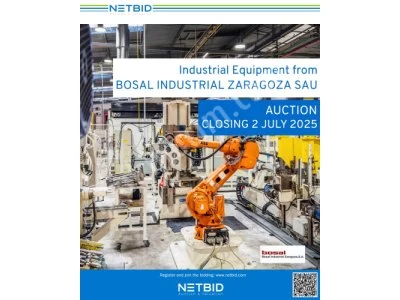  | Spain! Exhaust Pipe Production Plant Bosal Industrial Zaragoza Netbid Gmbh | 500.000 € | For Sale - Used17 Jun 2025 Steiermark |
 | Machines and Systems For Metal Forming, Tools For Steel, Aluminum and Composite Materials Netbid Gmbh | 5.000.000 € | For Sale - Used25 Apr 2025 Steiermark |
 | Insolvency Sale Marıborska Lıvarna Marıbor Forgıng Tool - Investment Opportunity Netbid Gmbh | 16.000.000 € | For Sale - Used05 May 2025 Steiermark |
  | Feed Mill Asel Birlik Makine İnşaat Taahhüt San. Tic. Ltd. Şti. | Ask For Price | For Sale - New05 Oct 2026 Ankara |
 | Flour Factory Asel Birlik Makine İnşaat Taahhüt San. Tic. Ltd. Şti. | Ask For Price | For Sale - New05 Oct 2026 Ankara |
  | Refinery Stargaz - Stargaz Isı San. ve Tic.a.ş. | 200.000 $ | For Sale - New06 Oct 2026 Gaziantep |